• TABLE OF CONTENT
    • the dreaming machine – issue number 16
    • the dreaming machine – issue number 15
    • the dreaming machine – issue number 14
    • the dreaming machine – issue number 13
    • the dreaming machine – issue number 12
    • The dreaming machine – issue number 11
    • The dreaming machine – issue number 10
    • The dreaming machine – issue number 9
    • The dreaming machine – issue number 8
    • The dreaming machine – issue number 7
    • The dreaming machine – issue number 6
    • The dreaming machine – issue number 5
    • The dreaming machine – issue number 4
    • The dreaming machine – issue number 3
    • The dreaming machine – issue number 2
    • The dreaming machine – issue number 1
  • THE DREAMING MACHINE
    • The dreaming machine n 16
    • The dreaming machine n 15
    • The dreaming machine n 14
    • The dreaming machine n 13
    • The dreaming machine n 12
    • The dreaming machine n 11
    • The dreaming machine n 10
    • The dreaming machine n 9
    • The dreaming machine n 8
    • The dreaming machine n 7
    • The dreaming machine n 6
    • The dreaming machine n 5
    • The dreaming machine n 4
    • The dreaming machine n 3
    • The dreaming machine n 2
    • The dreaming machine n 1
  • CONTACT
No Result
View All Result
The Dreaming Machine
  • Home
  • Poetry
    The God of Submission Loves Gentle Calves and Other Poems –  Yuliya Musakovska

    The God of Submission Loves Gentle Calves and Other Poems – Yuliya Musakovska

    Calixto Robles and Ancestral Spirits in the Mission – A Conversation on Art, Society and Social Action

    Hence, the walruses will keep our memories – Poems from Ikaro Valderrama’s Tengri: The Book of Mysteries

    Eva Bovenzi: The inner world. The artist in conversation with curator Camilla Boemio

    “When Crimea Was Not a Grief”: Six Poems by Lyudmyla Khersonska, from 21st Century Ukraine

    Of Hunger and Tents: Poems from Gaza by Yousef el-Qedra

    Of Hunger and Tents: Poems from Gaza by Yousef el-Qedra

    Ratko Lalić’s painting, a little Noah’s ark –  Božidar Stanišić  

    The region suddenly turned into a deciduous forest. Poems by Paulami Sengupta

    Eva Bovenzi: The inner world. The artist in conversation with curator Camilla Boemio

    A False Dimension: regarding the empty walls – Aritra Sanyal

  • Fiction
    The Spanish Steps, Revisited: A Temporary Exhibition – A conversation with Sheila Pepe

    The Importance of Being Imperfect – Haroonuzzaman

    THE STATE – Hamim Faruque

    THE STATE – Hamim Faruque

    Tempus Fugit (in D Minor) – Michele Carenini

    Tempus Fugit (in D Minor) – Michele Carenini

    Eva Bovenzi: The inner world. The artist in conversation with curator Camilla Boemio

    A Mirage of a Dream – Kazi Rafi

    Prologue to “Maya and the World of the Spirits” – Gaius Tsaamo

    Prologue to “Maya and the World of the Spirits” – Gaius Tsaamo

    RETRIBUTION – Mojaffor Hossain

    RETRIBUTION – Mojaffor Hossain

    A Nation’s Reckoning on a Rickshaw: Photogallery from Bangladesh in turmoil – Melina and Pina Piccolo

    Between Two Lives – Mojaffor Hossain

    A Nation’s Reckoning on a Rickshaw: Photogallery from Bangladesh in turmoil – Melina and Pina Piccolo

    The Amatory Rainy Night – Kazi Rafi

    Chapter 1 of “Come What May”, a detective story set in Gaza, by Ahmed Masoud

    Come What May, chpt. 11 – Ahmed Masoud

  • Non Fiction
    I AM STILL HERE: It’s not a movie, it’s a hymn to democracy – Loretta Emiri

    I AM STILL HERE: It’s not a movie, it’s a hymn to democracy – Loretta Emiri

    Requiem for a Mattanza – Gia Marie Amella

    Requiem for a Mattanza – Gia Marie Amella

    In Defense of T.C. Boyle: Satire in the Era of Psychological Realism – Clark Bouwman

    In Defense of T.C. Boyle: Satire in the Era of Psychological Realism – Clark Bouwman

    Calixto Robles and Ancestral Spirits in the Mission – A Conversation on Art, Society and Social Action

    That is the Face – Appadurai Muttulingam

    Langston Hughes: Shakespeare in Harlem – Barry David Horwitz

    Langston Hughes: Shakespeare in Harlem – Barry David Horwitz

    The Creeping of the Spirit of the Times and Other Poems – Pina Piccolo

    Understanding the Quintessential Divinity: Binding the Two Geographies – Haroonuzzaman

  • Interviews & reviews
    Michelle Reale’s Volta: An Italian-American Reckoning With Race. Necessary turnabouts as  Columbus Day returns amidst Sinners’ vampires – Pina Piccolo

    Michelle Reale’s Volta: An Italian-American Reckoning With Race. Necessary turnabouts as Columbus Day returns amidst Sinners’ vampires – Pina Piccolo

    from The Creative Process: The Future of activism.  Bayo Akomolafe interviewed by Mia Funk and Natalie McCarthy

    from The Creative Process: The Future of activism. Bayo Akomolafe interviewed by Mia Funk and Natalie McCarthy

    The Spanish Steps, Revisited: A Temporary Exhibition – A conversation with Sheila Pepe

    The Spanish Steps, Revisited: A Temporary Exhibition – A conversation with Sheila Pepe

    from The Creative Process: A Life in Writing with T.C. Boyle, interviewed by Mia Funk & Cary Trott

    from The Creative Process: A Life in Writing with T.C. Boyle, interviewed by Mia Funk & Cary Trott

    Living as a painter: Shaun McDowell in conversation with curator Camilla Boemio

    Living as a painter: Shaun McDowell in conversation with curator Camilla Boemio

    Calixto Robles and Ancestral Spirits in the Mission – A Conversation on Art, Society and Social Action

    Calixto Robles and Ancestral Spirits in the Mission – A Conversation on Art, Society and Social Action

  • Out of bounds
    • All
    • Fiction
    • Intersections
    • Interviews and reviews
    • Non fiction
    • Poetry
    Eva Bovenzi: The inner world. The artist in conversation with curator Camilla Boemio

    Area Sacra at Torre di Largo Argentina —or, Calpurnia’s Dream – Laura Hinton

    from The Creative Process: TIOKASIN GHOSTHORSE, interviewed by Mia Funk and Melannie Munoz

    from The Creative Process: TIOKASIN GHOSTHORSE, interviewed by Mia Funk and Melannie Munoz

    The Creeping of the Spirit of the Times and Other Poems – Pina Piccolo

    From The Stony Guests, Part IV: SIRAN BAKIRCI and SAIT B. KARAKAYA – Neil P. Doherty

    Eva Bovenzi: The inner world. The artist in conversation with curator Camilla Boemio

    Chaos Theory – Michele Carenini

    Of People and Puppets, Kingdoms of Silence, Trauma and Storytelling: Review of “Azad, the rabbit and the wolf – Pina Piccolo

    Of People and Puppets, Kingdoms of Silence, Trauma and Storytelling: Review of “Azad, the rabbit and the wolf – Pina Piccolo

    The Creeping of the Spirit of the Times and Other Poems – Pina Piccolo

    The Creeping of the Spirit of the Times and Other Poems – Pina Piccolo

    Poetry is also born from Gesture – Ikaro Valderrama on Gestos de la Poesia, transnational poetry, multimedia and the energy of the Andes

    Poetry is also born from Gesture – Ikaro Valderrama on Gestos de la Poesia, transnational poetry, multimedia and the energy of the Andes

    A loneliness like an endless steppe – Poems from Maria Luisa Vezzali’s collection Home Ghost

    A loneliness like an endless steppe – Poems from Maria Luisa Vezzali’s collection Home Ghost

    The Creeping of the Spirit of the Times and Other Poems – Pina Piccolo

    Once the veil of artifice falls away: Poems by Haroonuzzaman

  • News
    Memorial Reading Marathon for Julio Monteiro Martins, Dec. 27, zoom live

    Memorial Reading Marathon for Julio Monteiro Martins, Dec. 27, zoom live

    PER/FORMATIVE CITIES

    PER/FORMATIVE CITIES

    HAIR IN THE WIND – Calling on poets to join international project in solidarity with the women of Iran

    HAIR IN THE WIND – Calling on poets to join international project in solidarity with the women of Iran

    THE DREAMING MACHINE ISSUE N. 11 WILL BE OUT ON DEC. 10

    THE DREAMING MACHINE ISSUE N. 11 WILL BE OUT ON DEC. 10

    RUCKSACK – GLOBAL POETRY PATCHWORK PROJECT

    RUCKSACK – GLOBAL POETRY PATCHWORK PROJECT

    REFUGEE TALES July 3-5:  Register for a Walk In Solidarity with Refugees, Asylum Seekers and Detainees

    REFUGEE TALES July 3-5: Register for a Walk In Solidarity with Refugees, Asylum Seekers and Detainees

  • Home
  • Poetry
    The God of Submission Loves Gentle Calves and Other Poems –  Yuliya Musakovska

    The God of Submission Loves Gentle Calves and Other Poems – Yuliya Musakovska

    Calixto Robles and Ancestral Spirits in the Mission – A Conversation on Art, Society and Social Action

    Hence, the walruses will keep our memories – Poems from Ikaro Valderrama’s Tengri: The Book of Mysteries

    Eva Bovenzi: The inner world. The artist in conversation with curator Camilla Boemio

    “When Crimea Was Not a Grief”: Six Poems by Lyudmyla Khersonska, from 21st Century Ukraine

    Of Hunger and Tents: Poems from Gaza by Yousef el-Qedra

    Of Hunger and Tents: Poems from Gaza by Yousef el-Qedra

    Ratko Lalić’s painting, a little Noah’s ark –  Božidar Stanišić  

    The region suddenly turned into a deciduous forest. Poems by Paulami Sengupta

    Eva Bovenzi: The inner world. The artist in conversation with curator Camilla Boemio

    A False Dimension: regarding the empty walls – Aritra Sanyal

  • Fiction
    The Spanish Steps, Revisited: A Temporary Exhibition – A conversation with Sheila Pepe

    The Importance of Being Imperfect – Haroonuzzaman

    THE STATE – Hamim Faruque

    THE STATE – Hamim Faruque

    Tempus Fugit (in D Minor) – Michele Carenini

    Tempus Fugit (in D Minor) – Michele Carenini

    Eva Bovenzi: The inner world. The artist in conversation with curator Camilla Boemio

    A Mirage of a Dream – Kazi Rafi

    Prologue to “Maya and the World of the Spirits” – Gaius Tsaamo

    Prologue to “Maya and the World of the Spirits” – Gaius Tsaamo

    RETRIBUTION – Mojaffor Hossain

    RETRIBUTION – Mojaffor Hossain

    A Nation’s Reckoning on a Rickshaw: Photogallery from Bangladesh in turmoil – Melina and Pina Piccolo

    Between Two Lives – Mojaffor Hossain

    A Nation’s Reckoning on a Rickshaw: Photogallery from Bangladesh in turmoil – Melina and Pina Piccolo

    The Amatory Rainy Night – Kazi Rafi

    Chapter 1 of “Come What May”, a detective story set in Gaza, by Ahmed Masoud

    Come What May, chpt. 11 – Ahmed Masoud

  • Non Fiction
    I AM STILL HERE: It’s not a movie, it’s a hymn to democracy – Loretta Emiri

    I AM STILL HERE: It’s not a movie, it’s a hymn to democracy – Loretta Emiri

    Requiem for a Mattanza – Gia Marie Amella

    Requiem for a Mattanza – Gia Marie Amella

    In Defense of T.C. Boyle: Satire in the Era of Psychological Realism – Clark Bouwman

    In Defense of T.C. Boyle: Satire in the Era of Psychological Realism – Clark Bouwman

    Calixto Robles and Ancestral Spirits in the Mission – A Conversation on Art, Society and Social Action

    That is the Face – Appadurai Muttulingam

    Langston Hughes: Shakespeare in Harlem – Barry David Horwitz

    Langston Hughes: Shakespeare in Harlem – Barry David Horwitz

    The Creeping of the Spirit of the Times and Other Poems – Pina Piccolo

    Understanding the Quintessential Divinity: Binding the Two Geographies – Haroonuzzaman

  • Interviews & reviews
    Michelle Reale’s Volta: An Italian-American Reckoning With Race. Necessary turnabouts as  Columbus Day returns amidst Sinners’ vampires – Pina Piccolo

    Michelle Reale’s Volta: An Italian-American Reckoning With Race. Necessary turnabouts as Columbus Day returns amidst Sinners’ vampires – Pina Piccolo

    from The Creative Process: The Future of activism.  Bayo Akomolafe interviewed by Mia Funk and Natalie McCarthy

    from The Creative Process: The Future of activism. Bayo Akomolafe interviewed by Mia Funk and Natalie McCarthy

    The Spanish Steps, Revisited: A Temporary Exhibition – A conversation with Sheila Pepe

    The Spanish Steps, Revisited: A Temporary Exhibition – A conversation with Sheila Pepe

    from The Creative Process: A Life in Writing with T.C. Boyle, interviewed by Mia Funk & Cary Trott

    from The Creative Process: A Life in Writing with T.C. Boyle, interviewed by Mia Funk & Cary Trott

    Living as a painter: Shaun McDowell in conversation with curator Camilla Boemio

    Living as a painter: Shaun McDowell in conversation with curator Camilla Boemio

    Calixto Robles and Ancestral Spirits in the Mission – A Conversation on Art, Society and Social Action

    Calixto Robles and Ancestral Spirits in the Mission – A Conversation on Art, Society and Social Action

  • Out of bounds
    • All
    • Fiction
    • Intersections
    • Interviews and reviews
    • Non fiction
    • Poetry
    Eva Bovenzi: The inner world. The artist in conversation with curator Camilla Boemio

    Area Sacra at Torre di Largo Argentina —or, Calpurnia’s Dream – Laura Hinton

    from The Creative Process: TIOKASIN GHOSTHORSE, interviewed by Mia Funk and Melannie Munoz

    from The Creative Process: TIOKASIN GHOSTHORSE, interviewed by Mia Funk and Melannie Munoz

    The Creeping of the Spirit of the Times and Other Poems – Pina Piccolo

    From The Stony Guests, Part IV: SIRAN BAKIRCI and SAIT B. KARAKAYA – Neil P. Doherty

    Eva Bovenzi: The inner world. The artist in conversation with curator Camilla Boemio

    Chaos Theory – Michele Carenini

    Of People and Puppets, Kingdoms of Silence, Trauma and Storytelling: Review of “Azad, the rabbit and the wolf – Pina Piccolo

    Of People and Puppets, Kingdoms of Silence, Trauma and Storytelling: Review of “Azad, the rabbit and the wolf – Pina Piccolo

    The Creeping of the Spirit of the Times and Other Poems – Pina Piccolo

    The Creeping of the Spirit of the Times and Other Poems – Pina Piccolo

    Poetry is also born from Gesture – Ikaro Valderrama on Gestos de la Poesia, transnational poetry, multimedia and the energy of the Andes

    Poetry is also born from Gesture – Ikaro Valderrama on Gestos de la Poesia, transnational poetry, multimedia and the energy of the Andes

    A loneliness like an endless steppe – Poems from Maria Luisa Vezzali’s collection Home Ghost

    A loneliness like an endless steppe – Poems from Maria Luisa Vezzali’s collection Home Ghost

    The Creeping of the Spirit of the Times and Other Poems – Pina Piccolo

    Once the veil of artifice falls away: Poems by Haroonuzzaman

  • News
    Memorial Reading Marathon for Julio Monteiro Martins, Dec. 27, zoom live

    Memorial Reading Marathon for Julio Monteiro Martins, Dec. 27, zoom live

    PER/FORMATIVE CITIES

    PER/FORMATIVE CITIES

    HAIR IN THE WIND – Calling on poets to join international project in solidarity with the women of Iran

    HAIR IN THE WIND – Calling on poets to join international project in solidarity with the women of Iran

    THE DREAMING MACHINE ISSUE N. 11 WILL BE OUT ON DEC. 10

    THE DREAMING MACHINE ISSUE N. 11 WILL BE OUT ON DEC. 10

    RUCKSACK – GLOBAL POETRY PATCHWORK PROJECT

    RUCKSACK – GLOBAL POETRY PATCHWORK PROJECT

    REFUGEE TALES July 3-5:  Register for a Walk In Solidarity with Refugees, Asylum Seekers and Detainees

    REFUGEE TALES July 3-5: Register for a Walk In Solidarity with Refugees, Asylum Seekers and Detainees

No Result
View All Result
The Dreaming Machine
No Result
View All Result
Home Out of bounds Non fiction

Excerpts from “Ogni luogo è Taksim ” (Every place is Taksim), Murat Cinar & Deniz Yucel

Da Gezi park al controgolpe di Erdogan (From Gezi park to Erdogan's counter coup" (Rosenberg and Sellier 2018), transl. from Italian by Melina Piccolo

May 2, 2018
in Non fiction, Out of bounds, The dreaming machine n 2
Zero: Circle without a Centre – The generation of poets writing in Bengali after 2000, by Aritra Sanyal
Share on FacebookShare on Twitter

ISTANBUL IS CHANGING

I was born and raised in Istanbul, specifically in Feriköy, in the heart of old Costantinoples. It’s a short walk from the old Pear and the elegant Nişantası, located in the European part of town. According to the legend, Feriköy belonged to a woman named Feri, and since Köy means ‘village’ in Turkish that would make this area Feri’s village. In fact, despite what happened in the past, to this day it is the area with the largest Armenian population. Hrant Dink, the Armenian journalist who was assassinated in 2007, used to live here as well. Dink was born in 1954, in Malatya, to parents from Sivas (Sebastea), just like me. My grandparents on my maternal side emigrated to Istanbul about 70 years ago from Sebastea, when they had just turned 17. They had four children there and the eldest, my mother, met my father in 1972. He was the son of a Georgian woman who emigrated to Turkey as a child, and a railway worker, also from Sebastea. Just like Dink, they all ended up in Feriköy. The land of Anatolian emigrants who search for work. Many of them became domestic workers in the houses of Armenians and Jews who lived in the area, t others always worked in some capacity for them. In a film that is very important to the history of Turkish cinematography, the famous comic actor Kemal Sunal played the role of one of these ground keepers. Kapıcılar Kralı by Zeki Ökten won second place at the Antalya Film Festival in 1976. This cinematographic endeavor deals with the issues between the newly arrived city dwellers and the old ones. However, an even more compelling movie was shot 15 years before that; Otobüs Yolcuları directed by Ertem Göreç. In this excellent movie Vedat Türkali dealt with corruption cases and the emergence of the construction mafia in Istanbul.


Today in my hometown you can find characters exactly like Cetto Laqualunque,  the role impersonated by Italian comedic actor Antonio Albanese, an unscrupulous Mafioso who got into politics to further his own personal business, i.e., “reinforced concrete”. After my father’s death my mother moved to the Asian part of the city, to Suadiye. Every once in a while, when I go visit her, I check out what’s happened to the old Feriköy. Of course, it’s unrecognizable. Huge, ugly, tall buildings, shopping malls, over crowded and narrow streets, impossible parking and a lot of noise and environmental pollution. When I was in Kindergarten there were 81 children in my class, but there were fewer than 5 million children living in Istanbul. Instead now there are 17 million people living in Istanbul. The sheer number of buildings, streets and pollution grows exponentially. In 1985 the population density was a little over 1000 people per square kilometer, today that number is over 2700. In a city like that, getting around from one end of the city to the other is just as essential as it is problematic. When I was a child, traffic was a small problem, rather than a big one. On the Bosphorus, the canal that splits the city into two, there was only one bridge. In 1972 about 32.000 vehicles crossed the bridge and in 2004 that number grew to over 180.000. The second bridge was inaugurated in 1988. According to a research conducted by the press agency Anadolu, based on the motorization data for Istanbul, every day more than one thousand additional vehicles began circulating in the city,  In 2015, the number saw a historic increase by 17%. Moreover, only 8% of the vehicles crossing the bridge everyday are for public transportation. This means there is an ever increasing number of people driving cars, notably private ones. In fact, according to statistical research conducted by the City of Istanbul, in 2006 of the 12.5 million inhabitants, only 2.7 million prefer public transportation, i.e., about 21% of the entire population. That number rises instead  to 83% in Rome and 80% in London. It’s important to note that the combined population of these two cities does not reach that of ancient Constantinople.


CONSERVATIVE POLITICS THROUGH THE MEDIA AND THE SCHOOL SYSTEM


I’ve been living in Turin since 2002. It’s a very different city compared to the ancient Byzantium. The waters of the Eridano river have replaced those of the Propontide. It’s similar to the Bosphorus only a little narrower. Just like Rome, Costantinople was built over seven hills, instead here in Turin there is only one. The city known for gianduja (a mix of chocolate and hazelnut) has a million inhabitants, whereas Istanbul’s population is over 15 million, officially. There are about 300.00 people living just in the Sisli district, where I was born and raised; the old Calcedonia has almost 500.000 people. Basically the total population for just these two districts  is equal to the total population of Turin, the city that  has a bull  as its symbol.


Despite many differences, there are also many similarities. For me, first of all, there is Edmondo De Amicis, the nineteenth century Italian author best known for his young adult’s book Cuore, as well as another important one: Costantinopoli. Nobel prize winner Orhan Pamuk describes this book as “the best book about Istanbul written in the XIX century”, Umberto Eco claims De Amicis’ description of the city was the most cinematographic one. The author not only tells a magnificent story about Istanbul from that time period, he also reveals important information regarding day to day life in that city. Edmondo De Amicis was born and passed away in Liguria, northern Italy, but was buried in the monumental cemetery of Turin: that’s makes it easier for me to visit his unique and charming tomb every time I can, urged by the desire to smell the scents and feel the energy of my homecity.


Another thing that reminds me of Istanbul is a subway stop. Yes, it may sound strange, but that’s how it is. In Istanbul, if you go towards the Avcilar district, a little past another district called Bakirkoy, you will witness a curious coincidence between Turin and Istanbul if you travel by minibus. These are small public transportation vehicles that run all over the city, can hold up to 20 people and stop almost everywhere. It’s a small bus that acts like a taxi. You don’t pay a ticket, instead you pay the driver or his assistant a given fare. The process of getting off a minibus is also quite different. Since the bus stops just about anywhere, it’s the passenger who calls out his stop saying “I’d like to get off at the corner between x and y” or “Could you drop me off in front the z school?”. The opposite is also known to happen: the driver might ask if anyone wants to get off at a specific location; which could also be a neighborhood. Here, this is where the affinity between Turin and Istanbul comes in. Both cities have an area stop called Paradise. In Turin you’ll most likely hear the pre-recorded voice announcing, “Next stop: Paradise”, which puts a smile on my face, but in Istanbul you’ll hear even funnier sentences like “I’d like to go to Paradise”, “Can you drop me off in Paradise”, “Excuse, is anybody getting off in Paradise?”.


To fully understand how the minibuses work, you should watch one of the many Turkish movie productions from the seventies and eighties. Minibuses were put into circulation before that period, but became very popular in those years, providing a new source of income for newly settled citizens. Among those movies, one stands out: Cicek Abbas (Abbas the flower), a comedy directed by Sinan Cetin made in 1982. The main characters include two well known actors: Ilyas Salman and Sener Sen. The movies deals with a minibus driver and his helper,their socioeconomic differences and dreams. The author of the screenplay is Yavuz Turgul and it’s a very realistic piece about Anatolian migrants and Istanbul from the eighties.


Cennet Mahallesi (Paradise neighborhood) is a very busy area , with an archeological site from Roman times, unfortunately almost completely destroyed. On the other hand “Next stop: Paradise”, the announcement you hear on the subway in Turin, is the title of an interesting movie directed by Albert Brooks, which talks about reincarnation. Another aspect connecting Istanbul and Turin is the presence of people of Islamic faith. In particular, the Piedmont Region is home to 8% of the half a million Muslims who live in Italy. Today the ancient Phrygian homeland has a population that for 97% is Musilm.


Today, if you make a Google search with the words “how to go to Paradise” in Turkish, you’ll find several YouTube results, mostly videos made by religious individuals. In modern day Turkey one can find many written and visual religious materials on the internet and how to live according to the 219 rules of Islam. But not only on the internet. Even on television you can find statements by professors, imams, politicians, journalists and psychologists who address the entire nation in hopes to teach the true way of life of a dedicated Muslim. This usually prompts a reaction from the public.


Excerpted from”Ogni luogo è Taksim- Da Gezi park al controgolpe di Erdogan


Una İstanbul che cambia

Sono nato e cresciuto a İstanbul, per la precisione a Feriköy, nel cuore della vecchia Costantinopoli. Due passi dalla vecchia Pera e dall’elegante Nişantası, nella parte europea della città. Secondo la leggenda Feriköy apparterrebbe a una certa donna armena chiamata Feri e dato che Köy vuol dire villaggio in turco, questa zona sarebbe il villaggio di Feri. Infatti, nonostante tutto quello che è successo in passato, oggi è ancora la zona più popolata dagli Armeni. Anche il giornalista armeno assassinato nel 2007, Hrant Dink, abitava in questa zona. Dink nacque nel 1954 a Malatya, figlio di genitori provenienti da Sivas (Sebastea), esattamente come me. I miei nonni materni emigrarono a İstanbul circa settanta anni fa, quando avevano a malapena diciassette anni, da Sebastea. Qui nacquero quattro figli, la più grande, mia mamma, incontrò mio padre nel 1972. Mio padre era figlio di una donna georgiana emigrata in Turchia da piccola e di un ferroviere, anch’egli di Sebastea. Tutti finirono, esattamente come Dink, a Feriköy. Terra degli emigranti anatolici alla ricerca di un lavoro. Parecchi diventarono domestici nei palazzi di armeni ed ebrei residenti in zona, gli altri lavorarono sempre per conto di questi. In un film molto importante della storia cinematografica turca, il famoso attore comico Kemal Sunal recitò nel ruolo di uno di questi custodi. Kapıcılar Kralı di Zeki Ökten, nel 1976 vinse il secondo grande premio al Film Festival di Antalya. In quest’opera cinematografica vengono raccontati i problemi di convivenza tra i nuovi abitanti della città e quelli vecchi. Però quindici anni prima di questo film venne girato un’altro ancora più interessante; Otobüs Yolcuları diretto da Ertem Göreç. In questa eccezionale pellicola lo sceneggiatore Vedat Türkali parlò dei casi di corruzione e della nascita della mafia edile a İstanbul.

Oggi la mia città natale è esattamente come dice ripetutamente Cetto La Qualunque, il personaggio televisivo di Antonio Albanese che 200 incarna lo spregiudicato mafioso sceso in politica per i propri affari: «cemento armato». Dopo la morte di mio padre mia mamma si trasferì nella parte asiatica della città, a Suadiye. Quando vado a trovarla, ogni tanto, vado a vedere com’è ridotto il vecchio Feriköy. Ovviamente irriconoscibile. Palazzi enormi, alti, brutti, centri commerciali, strade sempre più strette e trafficate, parcheggio impossibile e un forte inquinamento, sia acustico che ambientale. Quando andavo alla scuola materna la classe era costituita da 81 bambini ma a popolare İstanbul eravamo in meno di 5 milioni. Ora invece a İstanbul vivono circa 17 milioni di persone. La quantità degli edifici, delle strade e dell’inquinamento cresce in modo esponenziale. Mentre la densità di popolazione era poco sopra i 1000 abitanti per chilometro quadrato nel 1985, oggi è più di 2700. In una città del genere ovviamente spostarsi da una parte all’altra è essenziale quanto problematico. Quando ero piccolo il traffico era un problemino, più che un problemone. Sul Bosforo, il canale che divide la città in due parti, c’era solo un ponte. Il secondo fu inaugurato nel 1988 mentre nel 1973 sul primo ponte ogni giorno passavano circa 32 000 mezzi, nel 2004 erano più di 180 000. Secondo una ricerca condotta dall’agenzia di stampa Anadolu, basandosi sui dati della motorizzazione di İstanbul, ogni giorno in città entrano in circolazione più di mille veicoli motorizzati. Nel 2015 questo numero ha subito un aumento storico del 17 per cento. Inoltre, ogni giorno soltanto l’8 per cento delle vetture che passano dai ponti sono mezzi di trasporto pubblico. Quindi a İstanbul sono sempre in aumento le persone e le macchine, segnatamente quelle private. Infatti, si nota anche in una ricerca statistica realizzata dallo stesso Comune di İstanbul che di fronte ai 12,5 milioni di abitanti nel 2006 soltanto 2,7 milioni preferiscono i mezzi di trasporto pubblico quindi circa il 21 per cento dell’intera popolazione. Mentre questa percentuale è dell’83 a Roma e dell’80 a Londra. È importante prendere nota del fatto che la somma totale delle popolazioni di queste due città non raggiunge quella della vecchia Costantinopoli.

[…]


LE POLITICHE DI CONSERVATORISMO ATTRAVERSO I MEDIA E IL SISTEMA SCOLASTICO

Vivo a Torino dal 2002. Una città ben diversa rispetto alla vecchia Bisanzio. Al posto delle acque del Propontide ci sono quelle dell’Eridano. Si tratterebbe sempre di una sorta di Bosforo ma è leggermente più stretto. Mentre la vecchia Costantinopoli è composta da sette colline, esattamente come Roma, qui c’è ne solo una. Mentre nella città del gianduja vive un milione di abitanti, a İstanbul si registra una popolazione superiore ai quindici milioni, ufficialmente. Solamente nel distretto di Sisli, dove sono nato e cresciuto, ci sono circa 300 000 persone; invece nella vecchia Calcedonia abitano quasi 500 000 persone. Praticamente solo questi due distretti sono popolati quanto la città che ha per simbolo un toro.

Nonostante varie differenze ci sono anche numerose somiglianze. Per me, prima fra tutte, c’è Edmondo De Amicis, l’autore del famoso romanzo per ragazzi Cuore, ma di un’altra opera molto importante: Costantinopoli. Mentre il premio Nobel, Orhan Pamuk, descrive questo libro come «il miglior libro scritto su İstanbul nel xix secolo», Umberto Eco sosteneva che la descrizione della città offerta da De Amicis fosse la più cinematografica. L’autore, oltre a raccontare magnificamente la İstanbul di quell’epoca, rivela anche delle informazioni molto importanti riguardanti la vita quotidiana della città. Edmondo De Amicis è nato e morto in Liguria ma è stato sepolto nel cimitero monumentale di Torino: questo è ciò che mi spinge a visitare in ogni occasione questo luogo molto attraente e particolare e la sua tomba, con il desiderio di sentire allo stesso tempo gli odori e le energie della mia città natale.

Un’altra cosa che mi ricorda İstanbul è una fermata della metropolitana. Sì, sembrerà strano, ma è così. A İstanbul andando verso il distretto di Avcilar, poco dopo un altro distretto chiamato Bakirkoy, se viaggiate con un minibus potete assistere a manifestazioni molto curiose. I minibus sono dei piccoli mezzi di trasporto che corrono dappertutto in città. Possono contenere fino a venti persone e si fermano quasi ovunque. Un piccolo bus che svolge la funzione di un taxi. Su questi non si sale con il biglietto ma si paga all’autista oppure al suo aiutante. Anche per scendere da un minibus la modalità è ben diversa. Dato che il mezzo si ferma un po’ ovunque, è il passeggero preannuncia la sua fermata dicendo «Vorrei scendere in via x angolo con via y» oppure «Mi fai scendere davanti la scuola z?». Potrebbe anche succedere il contrario, ossia l’autista potrebbe chiedere se qualcuno intende scendere in un punto specifico; questo punto potrebbe anche essere il nome di un quartiere. Ecco, qui subentra la somiglianza inverosimile tra Torino e İstanbul. In entrambe le città c’è una zona-fermata che si chiama Paradiso. Mentre qui si sente soltanto l’annuncio della voce preregistrata in metropolitana, «Prossima fermata: Paradiso», che fa sorridere, a İstanbul si sentono le frasi ancora più buffe come: «Vorrei andare in Paradiso», «Mi fai scendere in Paradiso», «Scusate c’è qualcuno che vorrebbe scendere in Paradiso?».

Per comprendere meglio il funzionamento dei minibus si devono guardare i numerosi film di produzione turca degli anni Settanta e Ottanta. Si tratta di un mezzo nato prima di quell’epoca ma molto diffuso in questi anni e costituisce anche una delle nuove fonti di guadagno per i cittadini da poco inurbati. Tra quelle pellicole una è molto particolare: Cicek Abbas [Abbas il fiore], un film comico diretto da Sinan Cetin e realizzato nel 1982. Tra i protagonisti si annoverano due personaggi illustri: Ilyas Salman e Sener Sen e l’opera tratta di un autista di minibus e del suo aiutante, della loro differenza socioeconomica e dei loro sogni. La sceneggiatura è di Yavuz Tugrul e si può considerare un film molto realista che racconta anche la vita dei migranti anatolici a İstanbul in quel periodo.

Cennet Mahallesi [Quartiere Paradiso] è una zona molto trafficata di İstanbul che comprende anche un sito archeologico con vestigia romane, purtroppo quasi totalmente distrutto. Invece l’annuncio che sentiamo sulla metropolitana a Torino «Prossima fermata: Paradiso» è il titolo di un film molto interessante, diretto da Albert Brooks, che parla anche della reincarnazione. Tra Torino e İstanbul un ulteriore aspetto che fa da ponte è la presenza degli abitanti di fede musulmana. In particolare, la regione Piemonte accoglie circa l’8 per cento di quel milione e mezzo di musulmani residenti in Italia. Come si sa la vecchia patria dei Frigi oggi comprende una popolazione della quale circa il 97 per cento è musulmana.

Oggi se cercate su Google “come si va in paradiso”, in turco, troverete una serie di video su YouTube realizzati da religiosi. Nella Turchia di oggi ormai su internet vengono diffusi numerosi materiali scritti e audiovisivi che parlano della religione e di come si deve vivere secondo 219 le regole dell’islam. Ma non solo su internet. Anche in televisione ormai è molto frequente sentire le dichiarazioni di professori, imam, politici, giornalisti oppure psicologi che si rivolgono alla nazione e provano a insegnare come deve essere la vita ideale di un fervente musulmano. E spesso questi suscitano delle reazioni nel pubblico.
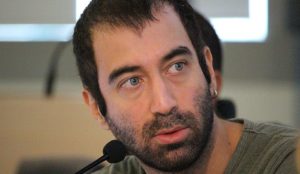
 

Journalist  and writer Murat Cinar was born in Istanbul in 1981 and studied Economics there, He has been living in Turin, Italy, for over 15 years.  He writes  regularly for many media outlets, both print and online, and conducts radio programs. He is also interested in photography and cinema.


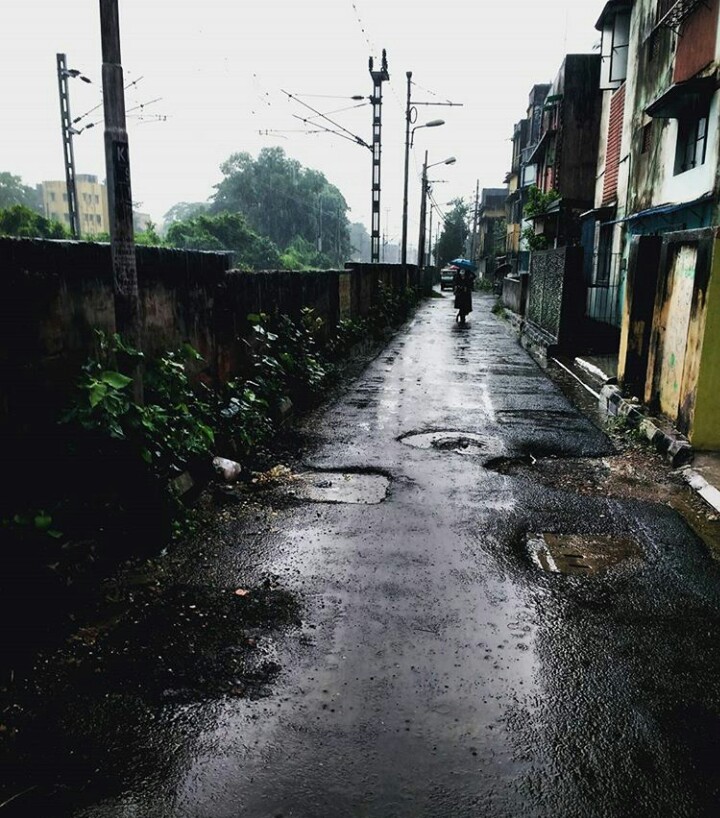
Featured image: photo by Aritra Sanyal.

Tags: comparisonsIstanbulItalymigrationMurat Cinar Turinpopulation growthtransportation systemTurkey
Next Post
… and You are in a hammock – Three poems by Maged Zaher

... and You are in a hammock - Three poems by Maged Zaher

The Dreaming Machine

Writing and visual arts from the world.

She jumped into it and became a squirrel – Five poems by Shafinur Shafin
Poetry

She jumped into it and became a squirrel – Five poems by Shafinur Shafin

Sketch of a Girl   Her dead gray finger On the railing As if a rolling coin Falling down With ...

November 29, 2019
“La Macchina Sognante” a Dreaming Machine* to Amplify the Silenced Voices of the World, by Pina Piccolo
Non Fiction

“La Macchina Sognante” a Dreaming Machine* to Amplify the Silenced Voices of the World, by Pina Piccolo

Introduction Situated here in Lisbon in the present, July 25t  2019, at the furthest south-western border of Fortress Europe, in ...

October 31, 2021
POEMS FOR PEACE, by Hamid Barole Abdu
Out of bounds

Many Disoriented Small Migrations- Poems by Jean-Charles Vegliante

  Near the window a sparrow is startled By its reflection or this man? The hand behind slowly moving the ...

December 7, 2020
Zero: Circle without a Centre – The generation of poets writing in Bengali after 2000, by Aritra Sanyal
Non fiction

Parampara Cities – Leyre Villate Garcia

It was Foucault who defined a “text” as a collection of signs that need interpretation. This definition broadened the meaning ...

December 2, 2018
The Gateway to Europe: The Story of an Invisible Tragedy Taking Place on Our Borders, by Vincenzo Bagnoli
Interviews and reviews

The Gateway to Europe: The Story of an Invisible Tragedy Taking Place on Our Borders, by Vincenzo Bagnoli

Late modernity and postmodernity, between Adorno and Baudrillard, have accustomed us to think that we can see everything. The electronic media illuminate the ...

May 4, 2021

Latest

Michelle Reale’s Volta: An Italian-American Reckoning With Race. Necessary turnabouts as  Columbus Day returns amidst Sinners’ vampires – Pina Piccolo

Michelle Reale’s Volta: An Italian-American Reckoning With Race. Necessary turnabouts as Columbus Day returns amidst Sinners’ vampires – Pina Piccolo

May 6, 2025
Eva Bovenzi: The inner world. The artist in conversation with curator Camilla Boemio

Area Sacra at Torre di Largo Argentina —or, Calpurnia’s Dream – Laura Hinton

May 5, 2025
The Spanish Steps, Revisited: A Temporary Exhibition – A conversation with Sheila Pepe

The Importance of Being Imperfect – Haroonuzzaman

May 5, 2025
from The Creative Process: TIOKASIN GHOSTHORSE, interviewed by Mia Funk and Melannie Munoz

from The Creative Process: TIOKASIN GHOSTHORSE, interviewed by Mia Funk and Melannie Munoz

May 4, 2025

Follow Us

news

Memorial Reading Marathon for Julio Monteiro Martins, Dec. 27, zoom live
News

Memorial Reading Marathon for Julio Monteiro Martins, Dec. 27, zoom live

by Pina Piccolo
11 months ago
0

December 24, 2024 marks ten years since the premature passing of Brazilian/Italian writer Julio Monteiro Martins, important cultural figure from...

Read moreDetails
  • TABLE OF CONTENT
  • THE DREAMING MACHINE
  • CONTACT

© 2024 thedreamingmachine.com - Privacy policy - Cookie policy

No Result
View All Result
  • Home
  • Poetry
  • Fiction
  • Non Fiction
  • Interviews and reviews
  • Out of bounds
    • Poetry
    • Fiction
    • Intersections
  • THE DREAMING MACHINE
    • The dreaming machine n 16
    • The dreaming machine n 15
    • The dreaming machine n 14
    • The dreaming machine n 13
    • The dreaming machine n 12
    • The dreaming machine n 11
    • The dreaming machine n 10
    • The dreaming machine n 9
    • The dreaming machine n 8
    • The dreaming machine n 7
    • The dreaming machine n 6
    • The dreaming machine n 5
    • The dreaming machine n 4
    • The dreaming machine n 3
    • The dreaming machine n 2
    • The dreaming machine n 1
  • TABLE OF CONTENTS
    • the dreaming machine – issue number 16
    • the dreaming machine – issue number 15
    • the dreaming machine – issue number 14
    • the dreaming machine – issue number 13
    • the dreaming machine – issue number 12
    • The dreaming machine – issue number 11
    • The dreaming machine – issue number 10
    • The dreaming machine – issue number 9
    • The dreaming machine – issue number 8
    • The dreaming machine – issue number 7
    • The dreaming machine – issue number 6
    • The dreaming machine – issue number 5
    • The dreaming machine – issue number 4
    • The dreaming machine – issue number 3
    • The dreaming machine – issue number 2
    • The dreaming machine – issue number 1
  • News
  • Contacts

© 2024 thedreamingmachine.com - Privacy policy - Cookie policy